1Ask
ProductionTritonGPT
Start in TritonGPT — chat, documents, approved models.
AI assistants for students, faculty, and staff to work with documents, ask campus questions, and get help with everyday tasks.
Explore TritonGPT: TritonGPTBy day I’m the Executive Director of Workplace Technology and Infrastructure Services, where my teams support infrastructure, data, campus services, and AI. Nights and weekends I design and ship my own products.

My work in AI centers on helping build and support TritonAI with colleagues across campus. New tools have to fit the way people actually work, with support that lasts beyond the pilot.
Start in TritonGPT — chat, documents, approved models.
AI assistants for students, faculty, and staff to work with documents, ask campus questions, and get help with everyday tasks.
Explore TritonGPT: TritonGPTAdd approved AI to a system campus teams already use.
One API connects campus applications and workflows to approved UC-hosted and cloud models, with shared access and usage controls.
Explore the API program: TritonAI API GatewayAutomate what repeats, with a person reviewing the result.
A desktop agent workspace for working with files, code, and connected campus services under human supervision.
Explore TritonAI Harness: TritonAI HarnessNights and weekends I build independent mobile apps, campus prototypes, and automated personal agent systems.
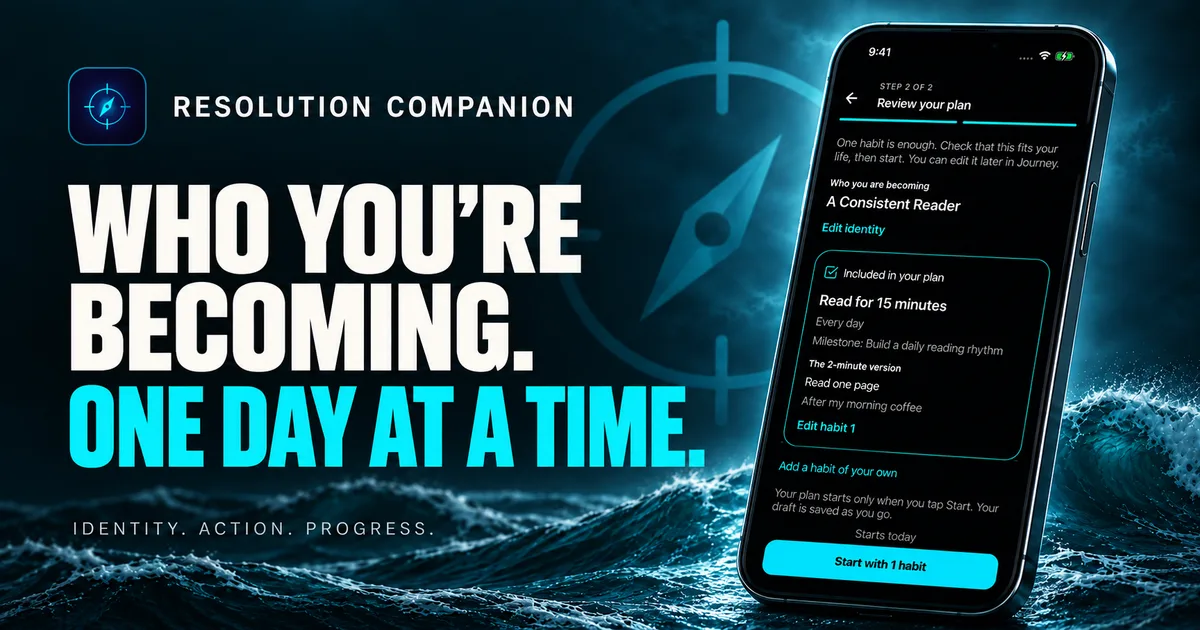
Mobile app · v1.4.1
An iOS app that turns a personal goal into short daily activities, with AI coaching and progress tracking.
New: New coach check-ins and progress view.

Race-day analysis · v1.0.2
An iOS app for independent Del Mar race-day analysis, with live odds, plain-language picks, and a record of results.
New: Bing Crosby fall meet (Nov 6–29) ready and included in the summer pass, plus a new Pool money card.

Game-day app · v1.0.7
Turns football group texts into live game picks: private Crews, timed Flash Picks, and season-long receipts.
New: Invite codes, Crew chat notifications, replies, and mute controls; free to download for the 2026 season.
Mobile & Consumer
Resolution Companion, Horse Racing Companion, Steel City Gameday, Rock Hill Property Radar
Campus & Enterprise
Numbers Game HQ, Student Experience, Passports Visitor Management, TritonVerify, ReviewDraft, Process Discovery
Family & Discovery Agents
Scholarship Agent, Cason Recruiting Profile & CRM, School Brief, Henry Personal AI OS
The daily briefings, research synthesis, and newsletters on this site are powered by an agent I built and operate myself: 95 automated jobs, an 838-node knowledge graph, and a 1,360-page wiki — all running on-premises on open-weight models, on a shared memory ecosystem that Claude Code, Codex, and Hermes read and write together.
How the architecture works →What goes in
Calendar & email, Meetings, Documents, Campus sources
Context
Three layers, loaded only when a task needs them
What comes out
Daily briefings, Meeting intelligence, Real-time answers, Published artifacts
Two newsletters: a daily AI briefing for people who run technology in higher education, and a Monday update on UC San Diego’s own AI tools and programs.
One email each morning, a few minutes to read. Free, and you can unsubscribe anytime.
Also published on tritonai.ucsd.edu ↗
I speak to institutional leaders, IT conferences, and campus communities on moving AI from experimental pilots to production infrastructure, governed agent workflows, and citizen developer models.
Institutional AI: From Pilot to Service
Architecture, governance, and on-premises hosting at university scale
Agentic AI Workflows in Higher Ed
Supervised agents, administrative bottlenecks, and guardrails
The Citizen Developer Program
Empowering campus staff with governed APIs and compute credits
Writing & Press
All 40+ appearances →

